Snohomish ADU Basics for Homeowners: What to Know
December 4, 2025
December 4, 2025
Thinking about adding an accessory dwelling unit to your Snohomish property? You are not alone. ADUs can unlock rental income, support multigenerational living, and boost long‑term flexibility. In this guide, you will learn the basics, how local rules work in the City of Snohomish and unincorporated Snohomish County, what it may cost, and the steps to move forward confidently. Let’s dive in.
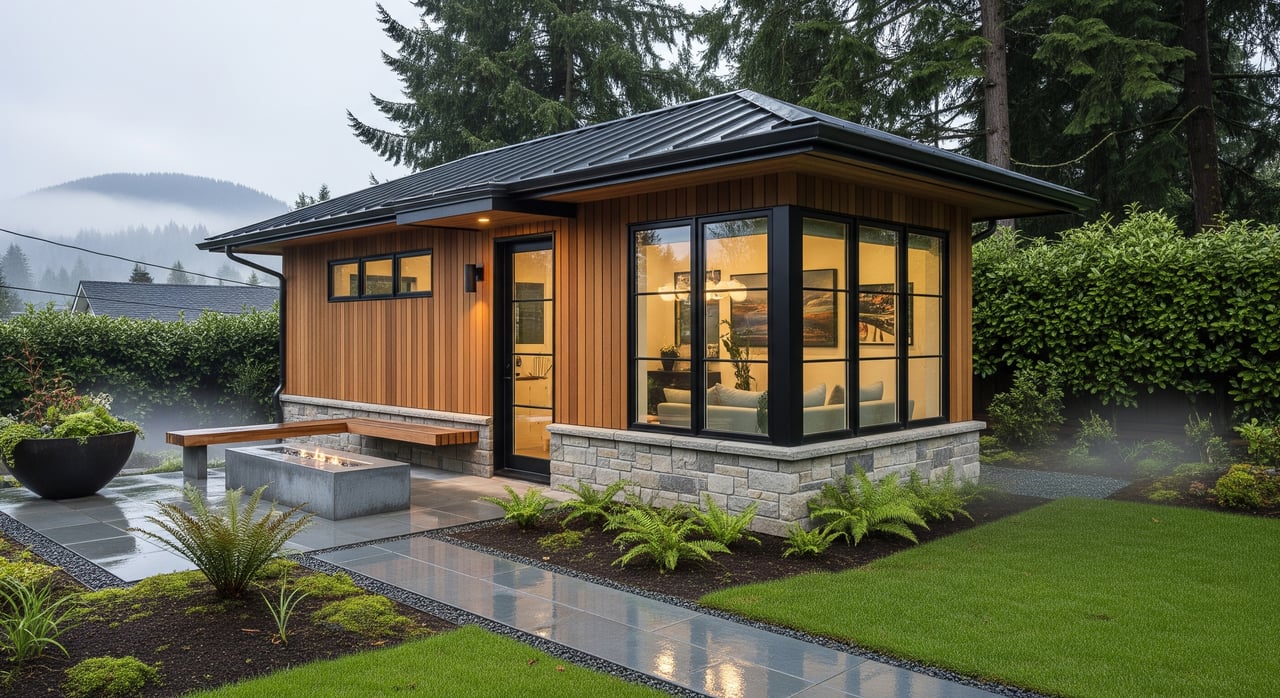
An accessory dwelling unit is a secondary home on the same lot as a primary residence. You might picture a basement apartment, a converted garage, or a small detached cottage in the backyard. ADUs include interior or attached units, detached cottages, and conversion units within an existing structure.
ADUs are meant to be subordinate to the main home. They have their own kitchen, bathroom, and sleeping area. The specific definitions and size limits depend on your local code, so always confirm with the city or county that governs your address.
ADUs offer flexibility for how you live and invest. Many owners create long‑term rentals where allowed, or use the space for aging parents or adult children. Some choose an ADU as a future downsizing option by moving into the smaller unit later and renting the main home.
You can also combine living and working. For example, you might set up a home office with separate living space. If you are considering short‑term rental use, know that separate rules typically apply and must be confirmed locally.
Your first step is to confirm which jurisdiction applies to your property. If your address is inside city limits, the City of Snohomish rules apply. If your property is outside city limits in an unincorporated area, Snohomish County rules apply instead.
Washington State offers high‑level guidance and best practices as well. For a broader overview of ADU policy and options, explore the Department of Commerce ADU guidance.
Local rules vary by zone, lot, and overlay districts. Before you commit to a design, confirm the following with your city or county planner:
If your lot is in a historic district, along a shoreline, or within a critical area, you may face added design review or environmental standards. Ask planning staff early about any overlays that apply to your parcel.
Actual costs depend on design, site work, and current bids, but the following ranges are common:
Plan for design and permit preparation to take about 2 to 6 months in many cases. Permit review often takes 4 to 12 weeks depending on complexity and agency workload. Construction can range from 2 to 9 months based on scope and contractor availability.
The Puget Sound region often sees higher construction costs than national averages. Get multiple local estimates so you can refine your budget with real numbers.
Use this quick checklist to gauge whether your property and goals fit an ADU:
If you check most boxes with a yes, your next step is to talk with planning staff and a designer to confirm details.
While each project is unique, most Snohomish‑area ADUs follow a similar path:
Pre‑application check. Contact the City of Snohomish or Snohomish County PDS to confirm zoning, setbacks, and whether your ADU type is allowed. Ask about any design review or historic requirements.
Site assessment. Verify sewer and water availability. If you have a septic system, consult health regulations and get a septic feasibility check. For statewide onsite sewage rules and resources, start with the Washington State Department of Health onsite sewage guidance.
Concept design. Draft a simple site plan and floor plan showing setbacks, parking, and utility routes. Consider hiring an architect or designer for clarity.
Permit applications. Prepare building permit documents, energy calculations, and any required land use or zoning reviews. Apply for utility or septic permits as needed through your jurisdiction.
Plan review and corrections. Respond to comments from building, public works, and health reviewers.
Permit issuance. Pay fees and fulfill any pre‑construction conditions.
Construction and inspections. Schedule required inspections at each stage.
Final approval. Obtain your certificate of occupancy or final sign‑off for rental use.
Typical timelines include 1 to 2 weeks for an initial zoning check, 2 to 8 weeks for design and application prep, 4 to 12 weeks for permit review, and 2 to 9 months for construction. Complex sites may take longer.
A smooth ADU project starts with knowing what can slow you down. Keep an eye on these factors:
Address these early to avoid surprises later.
ADUs can add value through rental income and increased resale appeal. Your rent potential depends on unit size, finishes, and location relative to amenities and employment centers. Snohomish is generally desirable for commuters to the Everett and Seattle corridor, which can support demand.
Keep taxes in view. ADU construction can trigger reassessment that may increase your property taxes. For county assessment questions and fee schedules related to utilities, start at Snohomish County Planning and Development Services and use the site search to find the Assessor and Public Works pages.
To control costs, compare a conversion versus new construction, right‑size the unit, and reuse existing utilities where possible. Track expenses closely if you plan to rent, since income is taxable and some costs may be deductible.
An experienced team will save you time and risk. Consider speaking with:
Washington State publishes homeowner‑friendly best practices, model code language, and context that can help you prepare questions for your local planner. You can review these resources at the Department of Commerce ADU guidance.
If you are just starting out, take these simple steps:
Confirm jurisdiction and zoning. Contact the City of Snohomish Planning or Snohomish County PDS and ask whether ADUs are allowed on your parcel.
Check utilities early. If on septic, schedule a feasibility review as one of your first actions.
Build a realistic budget. Ask your contractor for a line‑item estimate that separates site work, utilities, shell, and finishes.
Explore financing. Talk with a lender about HELOCs, construction loans, or renovation mortgages and how rental income could affect qualification.
Plan for compliance. If you intend to rent, discuss tax and insurance implications with your accountant and insurer.
Thinking about how an ADU fits your purchase or sale strategy in Snohomish? You can get local perspective on neighborhood demand, rental potential, and resale value aligned with your goals. If you want a clear plan tailored to your property, connect with Dani Robinett to talk options and next steps.
Stay up to date on the latest real estate trends.
Dani is dedicated to helping you find your dream home and assisting with any selling needs you may have. Contact her today for a free consultation for buying, selling, renting, or investing in Washington.
DANI ROBINETT
ADDRESS 1000 SE EVERETT MALL WAY SUITE 201 EVERETT, WA 98208