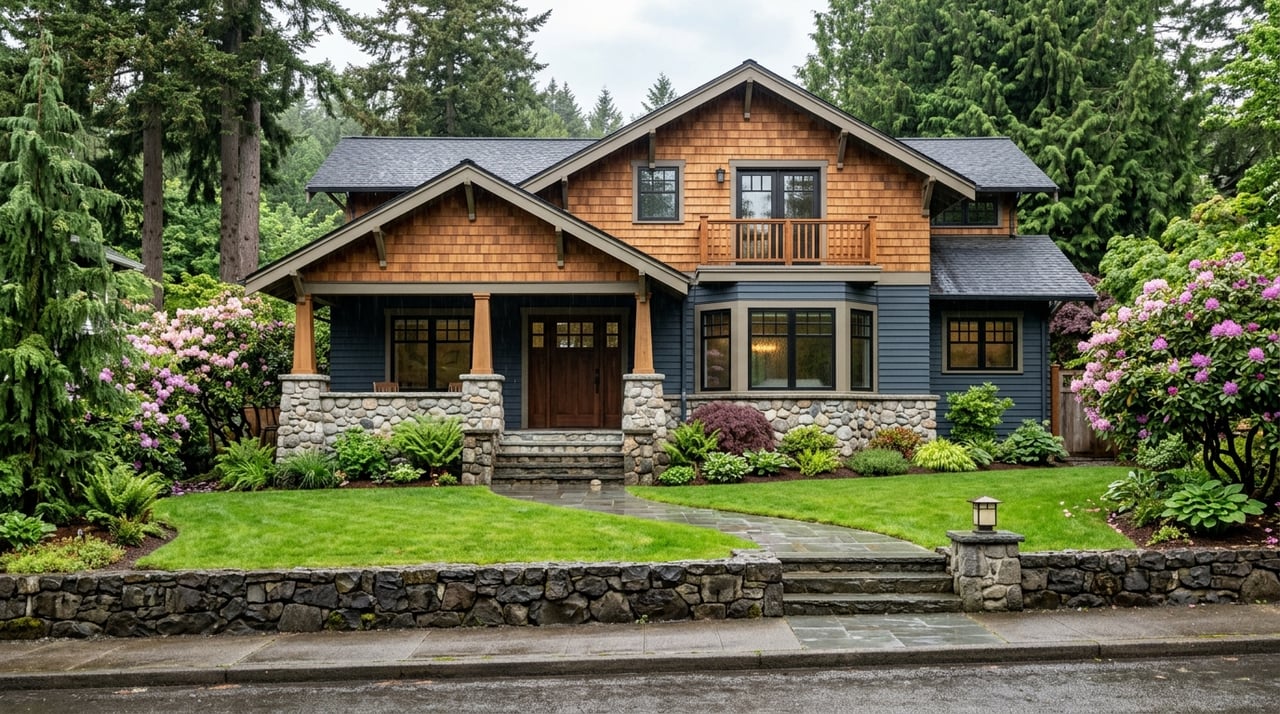
Buying New Construction in Edmonds or a Classic Home
April 16, 2026
April 16, 2026
Buying in Edmonds often comes down to one big question: do you want the ease of a brand-new home or the charm and flexibility of a classic one? If you are weighing both, you are not alone. In a fast-moving, high-priced market like Edmonds, the right choice depends less on age alone and more on how you want to live, what risks you want to manage, and where you see long-term value. Let’s break it down.
Edmonds remains a competitive market. According to Redfin’s Edmonds housing market data, the median sale price was $947,500 in February 2026, homes sold in about 8 days, and the average home received 2 offers.
That pace matters when you are comparing options. It means both new construction and older homes can move quickly, especially when they are well located, well priced, and match what buyers want today.
New construction is also relatively limited. Realtor.com and Redfin data cited in the local market overview show a small pool of new-build inventory, with median listing prices generally landing in the upper tier of the Edmonds market.
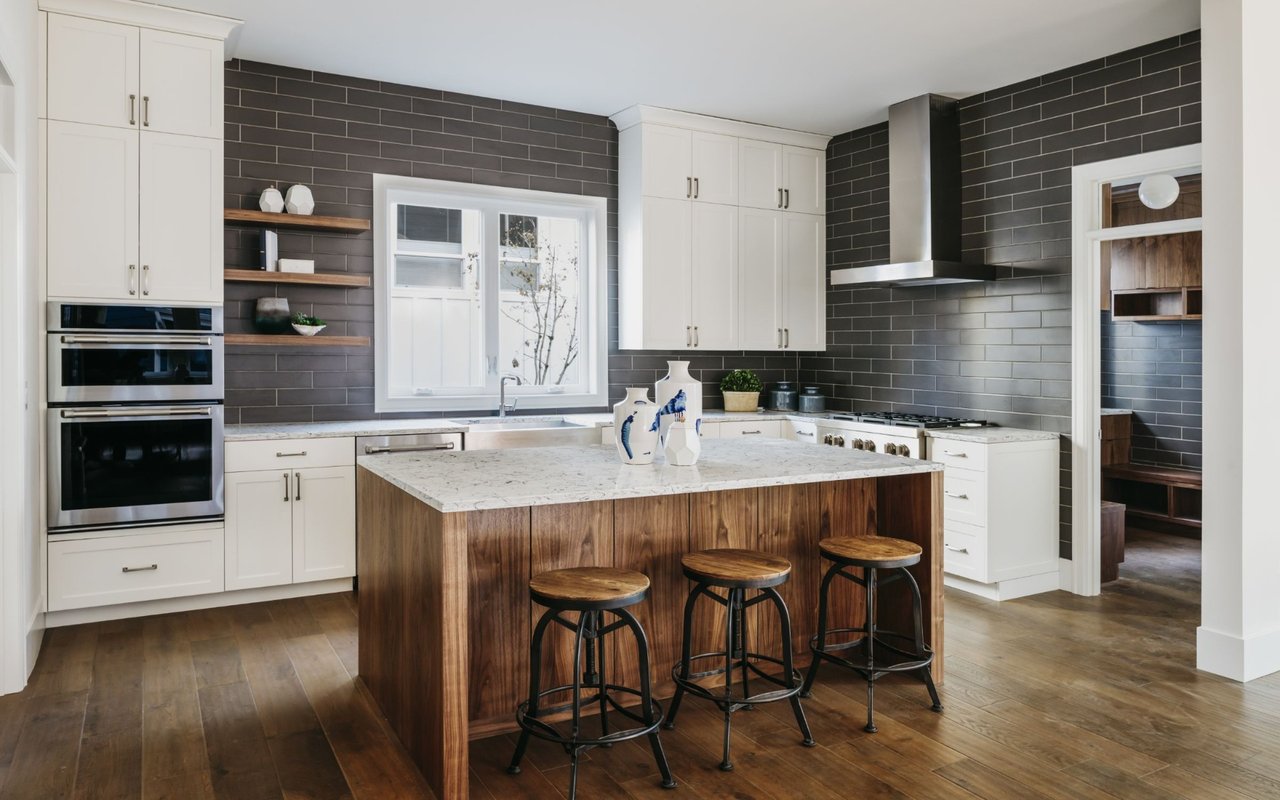
For many buyers, new construction is about simplicity. You get a home that is designed for modern living, with current finishes, updated layouts, and fewer near-term repairs.
That can be especially appealing if you want a more predictable first few years of ownership. Instead of planning for immediate updates, you can focus on settling in and learning the area.
One of the biggest benefits of a new home is warranty coverage. The FTC’s guidance on new-home warranties explains that many builder warranties cover workmanship and materials for about one year, some systems for about two years, and certain structural components for up to 10 years.
That does not remove all risk, but it can lower your exposure to surprise costs right after closing. If peace of mind is high on your list, this is a strong reason to consider a new build.
Energy performance is another plus. ENERGY STAR-certified homes are independently verified, designed to be at least 10% more efficient than homes built to code, and average more than 20% in savings.
That can mean lower utility costs, better comfort, and less hassle planning upgrades. If you want a home that feels turnkey from day one, efficiency is a meaningful part of the equation.
In Edmonds, new construction usually is not the lowest-cost way to enter the market. Current Redfin new-construction listings in Edmonds include a wide range, from an $849,000 townhome to a $2.089 million five-bedroom home, with Redfin noting a median listing price of $985,000 for new construction.
That price spread highlights an important point. New construction can deliver convenience and modern features, but you may trade off lot size, location flexibility, or price per square foot compared with some older homes.
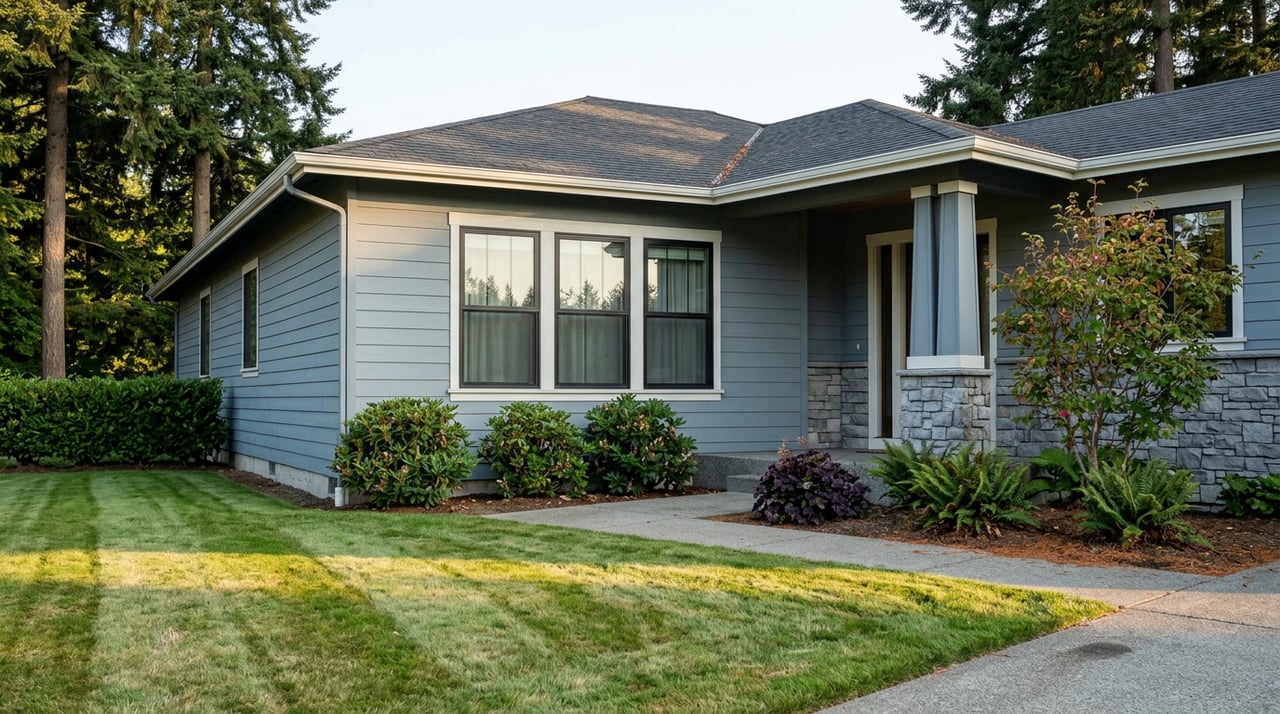
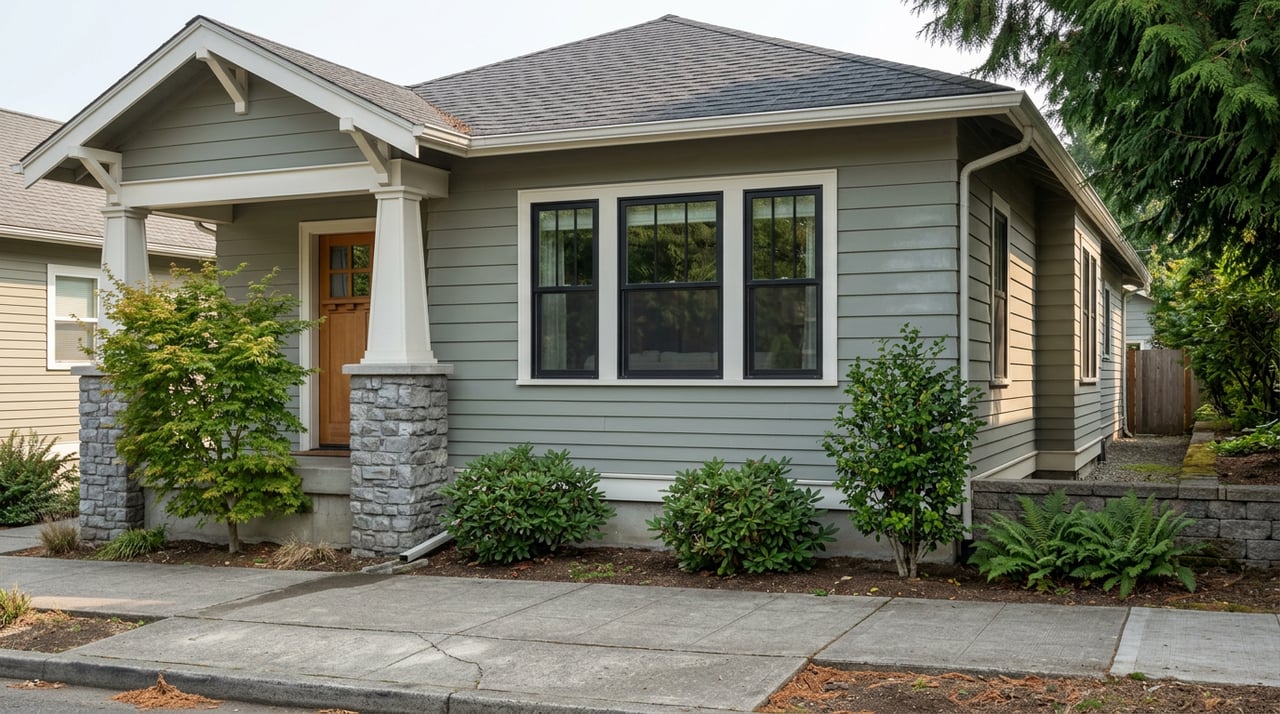
Classic homes in Edmonds appeal to buyers who want established surroundings, larger lots, or the chance to personalize a property over time. If you are comfortable doing more homework up front, an older home can open doors that newer inventory may not.
This is especially relevant in Edmonds because much of the housing stock is not new. The city’s 2024-2044 comprehensive plan materials note that much of Edmonds’ existing housing was built between 1950 and 1969.
That era of development helps explain why Edmonds has so many ramblers, mid-century homes, and established streetscapes. In practical terms, older homes may offer more yard space, mature landscaping, or room to think creatively about future use.
The city’s planning framework also matters here. Edmonds now allows middle housing and expanded ADU options in areas that were previously limited, which can make flexibility a bigger part of the conversation for some buyers.
A classic home can also be attractive if you care about architectural details or want to build value through updates. Some buyers are happy to trade brand-new finishes for a better lot, a more established setting, or a home they can improve over time.
In Edmonds, that can be a smart strategy if the property has solid fundamentals. The quality of prior updates, the lot’s usefulness, and the home’s future potential may matter more than the build year itself.
Older homes can offer opportunity, but they also require more due diligence. Before you fall in love with charm alone, it helps to think through what maintenance and efficiency upgrades may look like.
The U.S. Department of Energy’s weatherization guidance notes that weatherization includes air sealing, insulation, moisture control, and ventilation. It also explains that older homes can often reduce energy bills with added insulation, and that windows account for about 25% to 30% of residential heating and cooling energy use.
That means a lower purchase price does not always equal lower total cost. If you buy a classic home, you may also need room in your budget for:
None of that makes an older home a bad choice. It simply means you should evaluate the full ownership picture, not just the list price.
If you are deciding between the two, this side-by-side view can help:
| Priority | New Construction | Classic Home |
|---|---|---|
| Near-term maintenance | Usually lower | Often higher |
| Warranty coverage | Typically stronger | Usually limited |
| Energy efficiency | Often better built in | May need upgrades |
| Lot size and yard utility | Sometimes smaller | Often stronger |
| Character and architectural detail | More modern | Often more distinct |
| Personalization | Limited at resale, possible in presale | Often more renovation potential |
| Entry price flexibility | Often higher in Edmonds | Can vary more widely |
When buyers feel stuck, the best next step is usually asking better questions. In Edmonds, these often reveal the right path faster than simply comparing home age.
Think about how you want your home to function day to day. Do you want minimal projects, a modern layout, and fewer repair concerns, or are you willing to take on updates in exchange for land, flexibility, or character?
A turnkey buyer and a value-add buyer are not looking for the same thing. There is no one-size-fits-all answer.
A lot can shape long-term value just as much as the home itself. Is there enough outdoor space for the way you want to live? Could future expansion or an ADU matter to you later?
In a market with older housing stock and changing infill rules, lot utility can be a major decision point.
If you are considering an older home, look closely at the condition of major systems. Roof age, plumbing, wiring, insulation, windows, and heating and cooling can all affect your real cost of ownership.
A classic home with high-quality updates may be a better fit than a newer home in a less appealing location. The details matter.
In Edmonds, your budget may stretch differently depending on the home type. The same price point might buy you a newer layout with fewer projects, or an older property with more lot space and future upside.
That is why local context matters. Comparing homes by age alone can miss what is actually driving value for you.
Choose new construction if you want a turnkey home, lower near-term maintenance, built-in efficiency, and warranty protection. This route often makes sense if your priority is convenience and predictability.
Choose a classic Edmonds home if you value larger lots, mature landscaping, established surroundings, architectural character, or the ability to improve a property over time. This option can be especially compelling if you are comfortable with inspections, planning, and a renovation reserve.
The key is to match the property to your goals, not just your wish list. In Edmonds, the smartest purchase is usually the one that balances location, lot utility, condition, and long-term flexibility.
If you want help comparing new builds and classic homes in Edmonds with a clear local lens, Dani Robinett can help you weigh tradeoffs, spot value, and move with confidence in a competitive market.
Stay up to date on the latest real estate trends.
Dani is dedicated to helping you find your dream home and assisting with any selling needs you may have. Contact her today for a free consultation for buying, selling, renting, or investing in Washington.
DANI ROBINETT
ADDRESS 1000 SE EVERETT MALL WAY SUITE 201 EVERETT, WA 98208