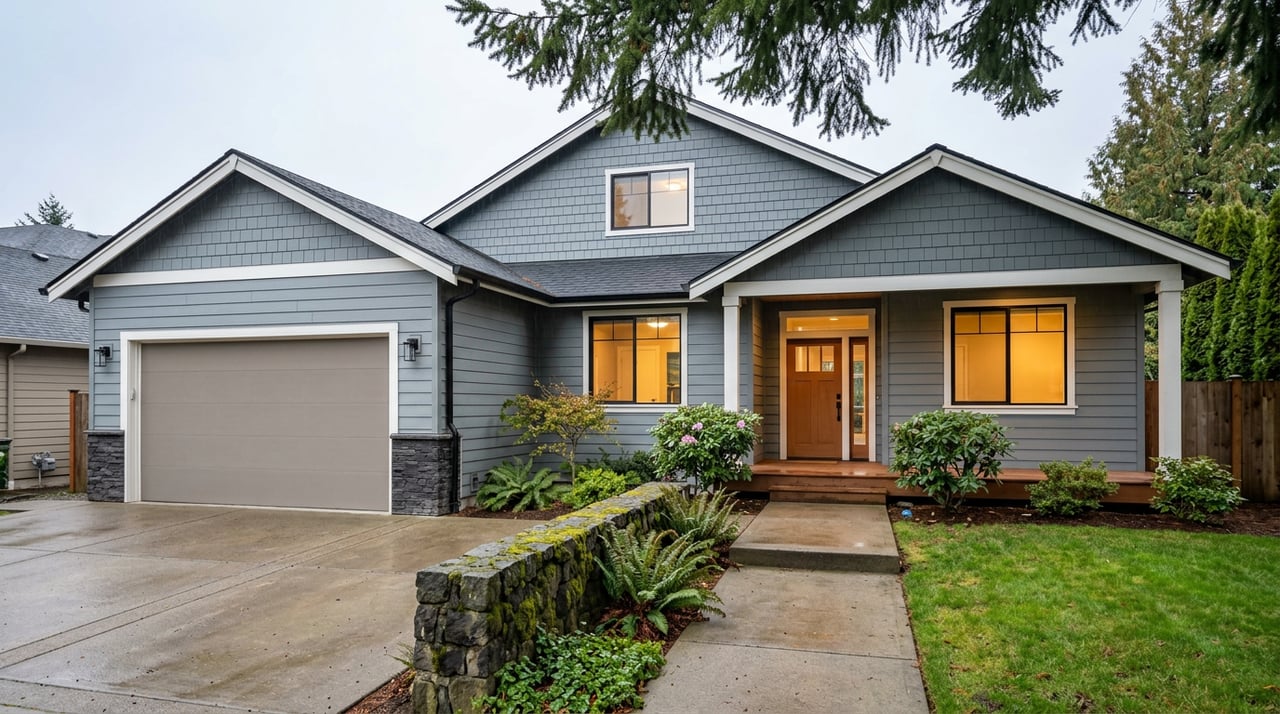
Lake Stevens New Construction Resale vs Established Areas
March 5, 2026
March 5, 2026
Torn between the convenience of a brand‑new home and the charm of a tree‑lined, established neighborhood in Lake Stevens? You are not alone. Many buyers want low‑maintenance living without giving up space, privacy, or character. In this guide, you will get a clear, side‑by‑side look at how newer builds compare to older areas in Lake Stevens, plus real community examples, cost considerations, due‑diligence checklists, and next steps. Let’s dive in.
As of December 2025, Realtor.com reported a median list price around $757,000 in Lake Stevens, with city values commonly ranging from the low‑to‑high $700,000s depending on the neighborhood and snapshot. Inventory has improved from the 2020 to 2022 peak years, and parts of 2024 to 2025 showed modest softening. Regionally, Snohomish County still sees strong demand from commuters to Everett, Bellevue, and Seattle, while listings have ticked up from earlier lows, easing some pressure on buyers. Recent reporting highlights this trend.
What this means for you:
Newer phases in Lake Stevens are driven by well‑known regional and national builders. You will see features like modern open floor plans, energy‑efficient marketing, neighborhood parks or greenbelts, and HOA‑managed common areas.
These communities often offer model‑home tours, design packages, and builder incentives when inventory is available.
Most recent Lake Stevens plats show smaller detached‑home lots than older areas, often about 3,500 to 4,500 square feet. That is consistent with city zoning that allows smaller minimums in certain districts. The municipal code sets baseline minimums such as R6 at 6,000 square feet, R4 at 8,000 square feet, and R8‑12 detached at about 4,000 square feet. Many newer plats use R8‑12 or similar. You can confirm zoning minimums in the Lake Stevens code.
HOAs are common in new master‑planned phases. Fees range by community and services. Examples in recent listings and builder docs show annual totals in the low hundreds in some phases, while others report about $99 to $102 per month. HOAs usually manage common landscaping, parks, and CCR enforcement. Always request the full HOA packet before you write an offer, including the budget, CC&Rs, reserve study, and any meeting minutes.
New homes are built to current code, including energy requirements that encourage tighter building envelopes and efficient systems. At the state level, Washington has updated rules that include heat‑pump language for certain building types. Builders vary, so verify the actual heating and water‑heating equipment on the spec sheet. You can review the state’s update summary here.
Warranties are another advantage. Many builders provide a staged package, such as about 1 year on workmanship and materials, about 2 years on major systems, and some form of longer structural coverage that is often marketed up to 10 years. Read the documents closely for coverage, exclusions, and claim steps. The FTC offers a helpful overview of new‑home warranties and dispute resolution here.
Inspections still matter. Schedule a third‑party pre‑drywall inspection and a thorough final walkthrough. Independent inspectors often catch items the city inspection does not flag. A practical new‑construction checklist is outlined in this guide.
With new construction, you may see builder incentives like closing‑cost credits or rate buydowns when inventory is strong. Timelines can be longer and can sometimes shift with construction schedules, so build in flexibility. Resale homes often close faster, but may need immediate maintenance or upgrades. For a high‑level comparison of buying versus building costs and timing, review this industry overview from AmeriSave.
Lake Stevens has many matured pockets with a range of eras and styles. Old Town near the lake mixes historic cottages, mid‑century ramblers, and remodels. Other established areas like West Lake Stevens, Cavalero, Glenwood, and South Lake Stevens tend to offer larger yards and mature landscaping. Waterfront or lake‑view parcels can be significantly larger and may include private access or docks, which are strong resale drivers for buyers who want a true lake lifestyle.
Older neighborhoods often predate the recent wave of smaller‑lot plats, so you will see more backyard space, lower lot coverage, and room for additions, shops, or accessory structures where permitted. Always confirm what is allowed today, since current zoning, setbacks, and height rules still apply. Reference the city’s dimensional standards in the Lake Stevens code and talk with the city about permits if you plan to add an ADU or expand.
With older homes, plan a full home inspection plus targeted checks. A roof evaluation, sewer or pipe scope, and a look at the electrical panel can prevent surprises. If you are near or on the lake, expect added shoreline rules and permitting steps. Ask about setbacks, bulkhead or dock permits, and any shoreline master program requirements that could affect projects.
Established homes can need more near‑term capital for systems or updates. The upside is personalization and potential equity growth through smart improvements. Many buyers like the character and curb appeal of mature landscaping, and they value the flexibility larger lots can offer over time.
| Aspect | Newer builds | Established neighborhoods |
|---|---|---|
| Lot size | Commonly about 3,500 to 4,500 sq ft | Often larger, varies widely by street |
| HOA | Common, fees may be monthly or annual, CCRs apply | Less common, fewer exterior restrictions |
| Energy and systems | Built to current code, efficient systems typical | System age varies, updates may be needed |
| Upfront vs. ongoing | Lower near‑term maintenance, HOA fees apply | Possible immediate projects, no HOA fee in many areas |
| Timeline | Build or quick‑move‑in options, potential delays | Traditional 30 to 45‑day closings typical |
| Character | Modern layouts and finishes | Variety of styles, mature trees, curb appeal |
| Future options | HOA and lot size may limit additions | Larger yards can allow more options, subject to permits |
Figures below reflect recent builder materials and local listings as of 2024 to 2025. Always verify specifics before writing an offer.
| Community | Builder | Typical lot size | HOA example | Notable features |
|---|---|---|---|---|
| Mountain Crest | Lennar | Often about 3,500 to 4,500 sq ft | Some phases report annual dues in the low hundreds | Parks, “Everything’s Included” finishes. Learn more. |
| Mill Bridge / Stillwater | KB Home | Often about 3,500 to 4,500 sq ft | Listings have shown around $102 per month in some cases | ENERGY STAR‑capable plans, community parks. See announcement. |
| Overlook Ridge / Hillside Vista | MainVue Homes | Often about 3,500 to 4,500 sq ft | Listings have shown around $99 per month in some cases | View lots and greenbelts in select phases. Explore Overlook Ridge. |
Clarify your top three priorities. Space, low maintenance, commute, lake access, or budget predictability. Rank them.
Get clear on total monthly cost. Add principal and interest, taxes, insurance, HOA fees, and a maintenance reserve.
For new construction, request documents early:
Compare micro‑markets. In Lake Stevens, price per square foot, demand, and days on market vary by neighborhood and lake proximity. Recent snapshots show mid to high six‑figure pricing, and lakefront or view locations can command premiums.
Partner with a local advisor. A neighborhood‑focused approach helps you weigh tradeoffs, negotiate with builders or sellers, and align your purchase with long‑term resale potential.
Ready to map your options by neighborhood and price range? Connect with Dani Robinett to compare current listings, new‑build release calendars, and resale comps, then build a plan that fits your timeline.
Stay up to date on the latest real estate trends.
Dani is dedicated to helping you find your dream home and assisting with any selling needs you may have. Contact her today for a free consultation for buying, selling, renting, or investing in Washington.
DANI ROBINETT
ADDRESS 1000 SE EVERETT MALL WAY SUITE 201 EVERETT, WA 98208