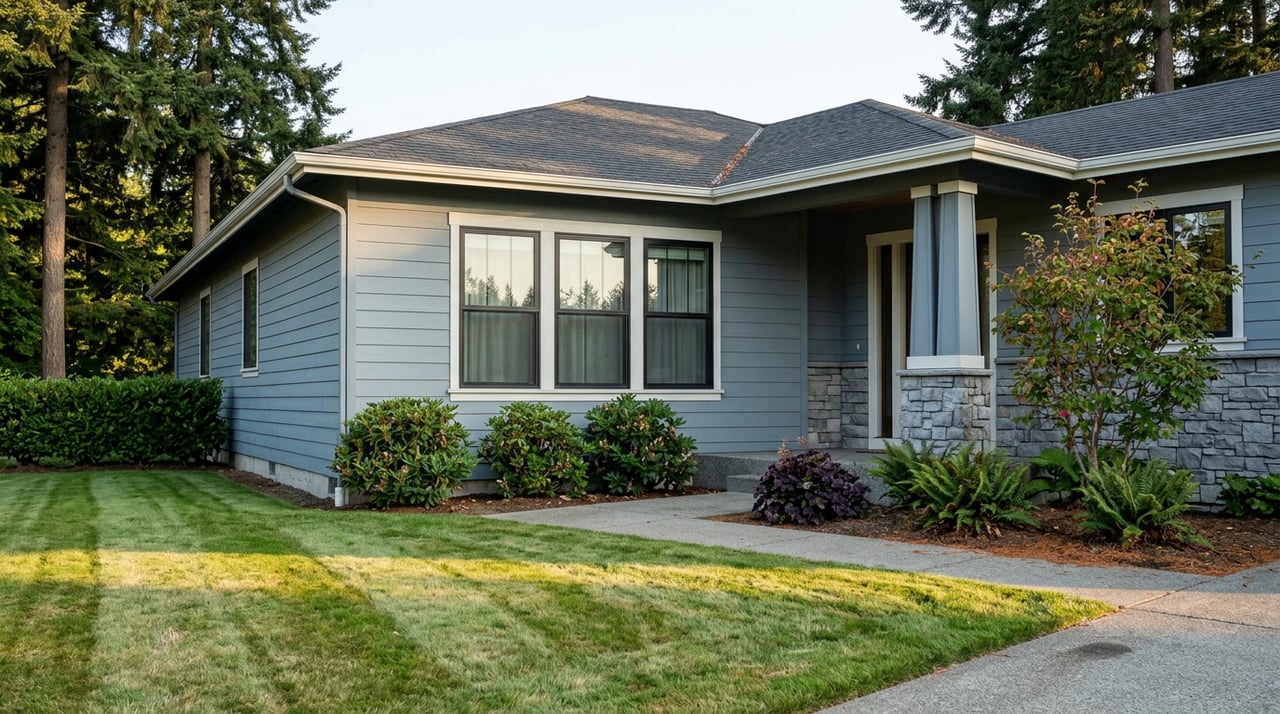
Selling a House With Septic in Snohomish County
August 20, 2026
August 20, 2026
"If you plan ahead, this requirement won't slow down a home sale." That's what Ragina Gray, director of the Environmental Health Division at Snohomish County Health Department, told reporters this spring about the county's new septic inspection rule. For sellers, the practical question is when to schedule an inspection before a sale closes. The Herald reports that the requirement takes effect November 1, 2026, and planning ahead may help sellers prepare for the change.
Here's the setup. On April 14, 2026, the Snohomish County Board of Health adopted Ordinance BOH26-02, which requires septic systems to be inspected before a property changes hands, except that systems installed within the past twelve months are exempt outright. The rule takes effect November 1, 2026, which brings the county into line with a state law, WAC 246-272A-0270, that makes this mandatory statewide starting February 1, 2027. The Lynnwood Times reports that King, Skagit, and Island counties already require it. Snohomish is catching up, not improvising.
None of that is the interesting part. The interesting part is what the county built into the timing, and what it means for anyone who owns a septic-served home in or around the city of Snohomish and is thinking about listing this year or next.
Under the new Report of Property Transfer program, a certified septic professional has to inspect the system, and pump the tank if the inspection calls for it, before a sale can close. The county reviews the application in about ten days. Once accepted, the report is valid for twelve months. If there's an as-built drawing already on file, that's what the inspector works from.
Here's the mechanic that changes the whole conversation: the inspection can happen up to a full year before closing. Systems installed within the past twelve months are exempt outright. So the requirement isn't really "get inspected before you sell." It's "get inspected sometime in the year before you sell, whenever that's convenient." That window is the whole story.
| Requirement | Detail |
|---|---|
| Ordinance | BOH26-02, adopted April 14, 2026 |
| Effective date | November 1, 2026 |
| Statewide deadline | February 1, 2027 (WAC 246-272A-0270) |
| Inspection window | Up to 12 months before closing |
| Report validity | 12 months from acceptance |
| New-system exemption | Systems installed in the last 12 months |
| Application fee | $245, rising to $255 within two years |
| Review time | Up to 10 days |
Go back to what Gray said. The department has spent the last year, by its own account, "collaborating with partners across the community to design this program." That's a health department, not a marketing team, telling you they've been thinking about capacity. Certified septic contractors are a fixed, licensed population. They inspect, they pump, they file reports with the county's OnlineRME records system. Once the rule is mandatory for every seller in the county, every one of those contractors gets busier at the same time, in the same season, for the same reason.
The county has already flagged this. Its own announcement says outreach and education for realtors, septic contractors, and homeowners will run through summer and fall of 2026, which is already underway. The outreach is scheduled ahead of the deadline, giving sellers time to plan.
A seller who waits until October to book an inspection isn't just cutting it close on paperwork. They're entering a market for contractor time that every other seller in a county with roughly 84,000 private septic systems is entering at the same moment. A seller who books the inspection in July or August, months ahead of a fall or winter listing, is working with a calendar nobody else is competing for yet.
This is where the twelve-month window turns from convenience into leverage, or its absence turns into a real cost. The Snohomish County Health Department says unresolved deficiencies carry forward to the buyer for follow-up. The county has said clearly it has no intention of blocking a sale over this. Its goal is information, not obstruction. But a buyer who receives a report listing an open deficiency on a septic system is going to ask for a price adjustment, a credit, or a repair commitment before they'll close, and they'll be right to.
The one exception the county treats differently is surfacing sewage or another immediate health hazard. That triggers a site visit and a compliance schedule, which is enforcement language, not paperwork language.
Run the two scenarios side by side. A seller who inspects in July, finds a minor issue, and has a licensed contractor fix it before listing walks into showings with a clean report and nothing to negotiate away. A seller who inspects during a rushed fall closing, finds the same issue, and doesn't have time to fix it before the buyer's inspection contingency expires is negotiating from a weaker position, on a timeline they didn't choose, for a system they've owned for years without realizing it needed attention. Same problem. Very different leverage, and the only variable is when the inspection happened relative to the listing.
It helps to see this in context. King County has required time-of-sale septic inspections for years. Skagit and Island counties already have similar programs. Snohomish's ordinance isn't a novel local experiment, it's the last domino in a regional pattern that state law is about to make universal anyway come February 2027. That matters for how a seller should read the rule: this isn't a temporary local quirk that might get walked back. It's the direction every county in this part of the state is already moving, which is exactly why getting comfortable with the process now, rather than treating it as a hurdle to clear later, is the more useful posture.
According to the county's own April 2026 figures, Snohomish County has about 84,000 private septic systems, with a large share in unincorporated areas but a meaningful number inside city limits too. About 2,800 septic-served properties change ownership each year, based on Snohomish County Assessor records cited in that same announcement. That's roughly one in thirty septic properties in the county turning over annually, a steady, predictable slice of the market rather than a rare edge case. If you own a septic system anywhere in the Snohomish area and expect to sell within the next few years, you are not an exception to this rule. You are exactly who it was written for.
Does this apply if I'm selling before November 1, 2026? No. The requirement takes effect on that date. But since a report accepted now stays valid for twelve months, there's no real reason to wait for the deadline before getting one.
What if my septic system was installed recently? Systems installed within the past twelve months are exempt from the inspection requirement entirely.
Can the county stop my sale over a bad report? No. The county has said directly it has no right or intention to prohibit a sale. Deficiencies, outside of immediate health hazards like surfacing sewage, get documented and carried forward for the buyer to address, which is a negotiation issue between buyer and seller, not a legal block on closing.
If you own a septic-served property in the Snohomish area and you're weighing a listing for this fall, winter, or next spring, the timing question is worth a real conversation now, not in October. Dani Robinett has spent more than a decade working Snohomish and Snohomish County transactions and can walk you through what this rule means for your specific property, your timeline, and your leverage at the negotiating table. Schedule a Consultation to talk through your plan before the calendar makes the decision for you.
This article is general information, not legal, tax or financial advice. Consult a qualified professional about your situation.
Stay up to date on the latest real estate trends.

Dani is dedicated to helping you find your dream home and assisting with any selling needs you may have. Contact her today for a free consultation for buying, selling, renting, or investing in Washington.
DANI ROBINETT
ADDRESS 1000 SE EVERETT MALL WAY SUITE 201 EVERETT, WA 98208