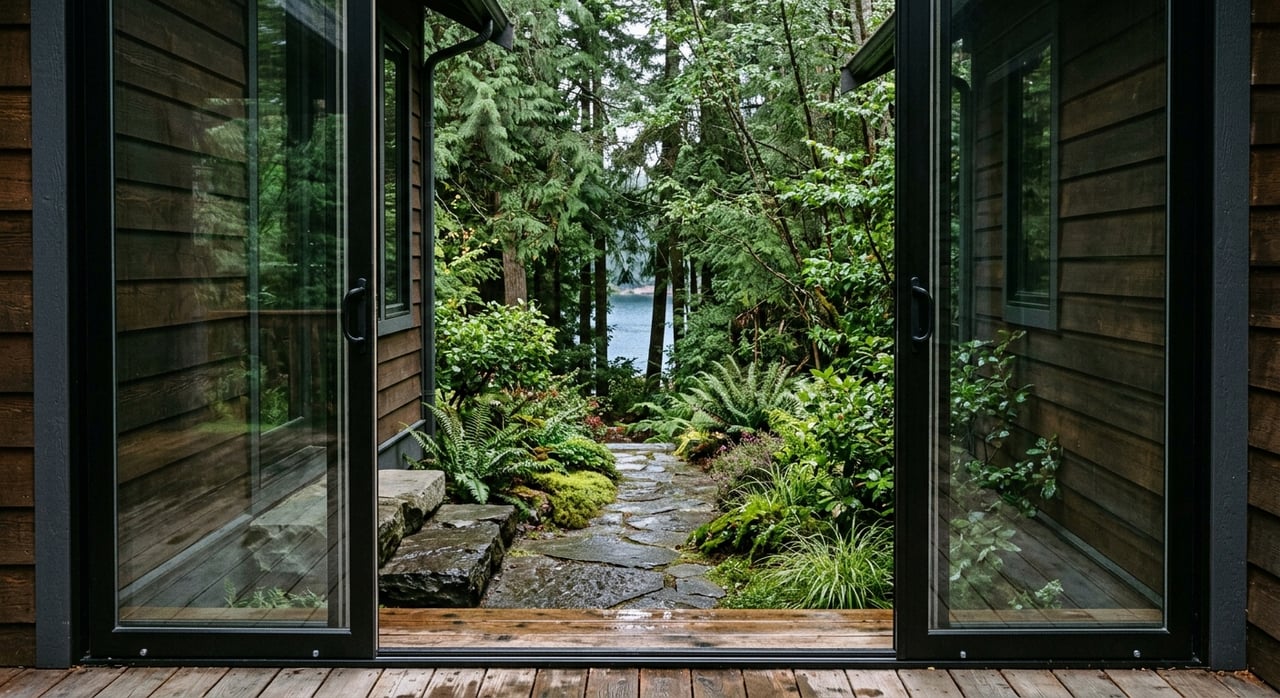
Living in Lake Stevens WA: A Closer Look at Lake Life
May 28, 2026
May 28, 2026
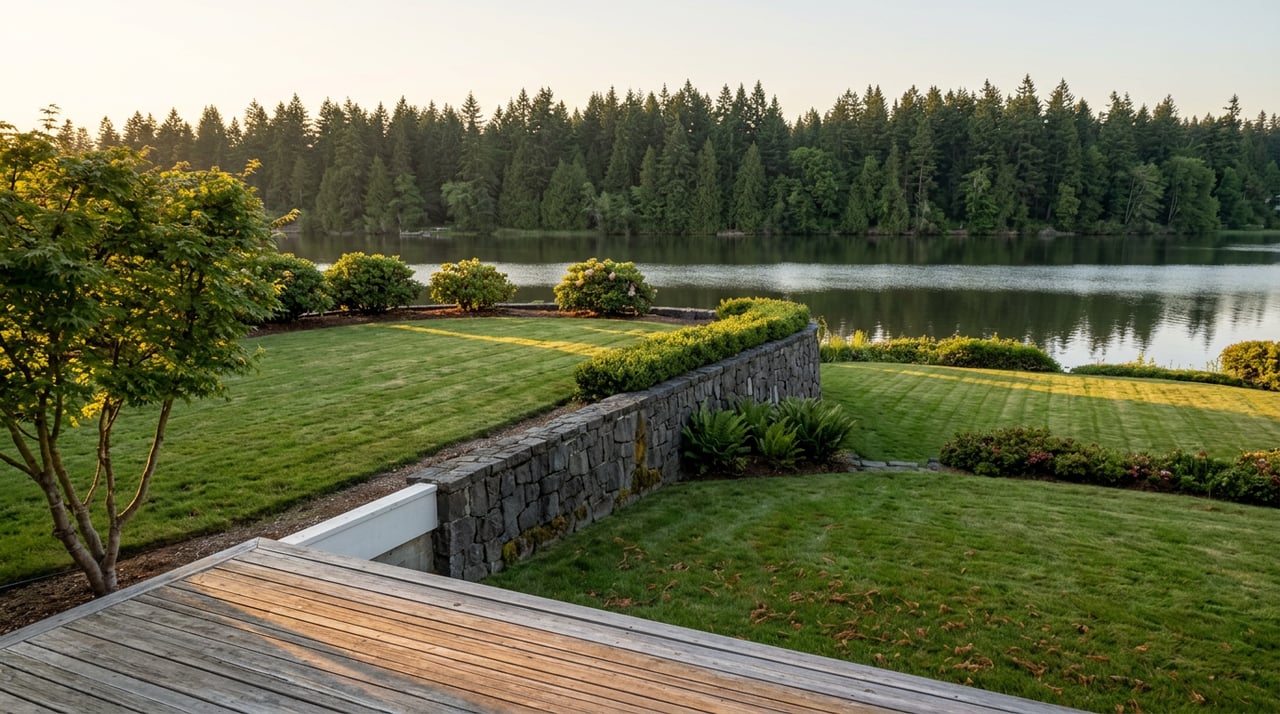
If you picture lake living as something reserved for a handful of waterfront owners, Lake Stevens may surprise you. In this city, the lake shapes everyday life in a much more public, practical way, from morning walks by the water to summer events and year-round recreation. If you are wondering what it is really like to live near the lake in Lake Stevens, this guide will help you understand the lifestyle, the housing patterns, and the tradeoffs that come with being close to the shoreline. Let’s dive in.
Lake Stevens has been centered around the water for generations. The city describes the lake as a former resort destination from the 1920s through the 1950s, and today it remains the focal point for recreation and community life.
That matters because Lake Stevens is not a small backdrop. It is the largest natural lake in Snohomish County and covers more than 1,000 acres, which means the lake has a real presence in how the city looks, feels, and functions.
For many residents, living near the lake means your day-to-day rhythm includes water views, shoreline parks, and easy access to outdoor time. Even if you do not own a boat or live directly on the water, the lake still tends to feel like part of your neighborhood experience.
One of the most appealing parts of living near the lake in Lake Stevens is how much public access the city provides. Instead of feeling closed off, the shoreline works more like a shared recreation corridor with multiple places where you can spend time by the water.
North Cove Park sits at the northeast end of the lake beside City Hall and downtown. It includes a boardwalk, fishing pier, public dock, swim beach, playground, observation deck, and picnic shelter, which makes it useful for both quick visits and longer afternoons outside.
This park also doubles as a community gathering space. The city uses North Cove for events like the summer farmers market, so the area can feel especially active during the warmer months.
Davies Beach gives you another way to enjoy the lake, especially on the west shore. It offers beach access, a non-motorized dock, picnic tables, restrooms, and sunrise views.
Lundeen Park is another major waterfront stop. This nine-acre park includes shoreline access, a non-motorized dock, swim beach, walking path, playground, and rentable shelters, and the city notes that summer reservations fill quickly.
North Lakeshore Swim Beach and Sunset Beach Park may be smaller, but they add to the everyday convenience of living nearby. North Lakeshore includes direct lake access and a swim dock, while Sunset Beach Park includes a fishing and swim dock with lake views.
Taken together, these parks give you multiple ways to enjoy the lake without needing private waterfront property. That is a major part of what makes lake living in Lake Stevens feel accessible rather than exclusive.
A common question from buyers is whether lake living only makes sense if you own a boat. In Lake Stevens, the answer is no.
The city operates two public boat launches, one at North Cove and one at Davies Beach, so boat access is available if that is part of your lifestyle. North Cove also includes an ADA-accessible boat loading area.
At the same time, plenty of lake enjoyment here has nothing to do with boating. Swim beaches, docks, fishing access, walking paths, picnic areas, and waterfront events all make the lake part of daily life even if you never launch a watercraft.
Living near the lake in Lake Stevens has a clear seasonal rhythm. Summer is typically the most active period, with shoreline parks, public events, and recreation all drawing more people to the water.
The city’s parks and recreation calendar includes seasonal programming such as Movies in the Park at Lundeen, the summer farmers market at North Cove, and community events like the Polar Plunge, Egg Hunt, HarvestFest, and WinterFest. That gives the shoreline a community feel that goes beyond just scenery.
Warmer weather tends to bring the most visible activity to the lake. Parks fill up faster, shelter reservations at Lundeen Park can book quickly, and the shoreline feels more social and event-driven.
If you like being close to outdoor activity, that can be a plus. If you prefer a quieter feel, it is worth understanding that the lake area can feel busier during peak season.
Even with a strong summer identity, the lake is not just a warm-weather feature. The city highlights year-round views at North Lakeshore Swim Beach and describes Lake Stevens as a year-round fishing lake.
That means lake-adjacent living can still offer value in cooler months through scenery, shoreline walks, and ongoing recreation. The mood changes by season, but the lake remains part of daily life all year.
If you are considering living near the water, it helps to know that lake recreation comes with structure. Lake Stevens has a 35 MPH speed limit, a counter-clockwise traffic pattern, and no-wake or 8 MPH zones near swimming areas, docks, and other structures.
Those rules help organize how people use the lake and support safer separation between faster boating areas and places where people swim, fish, or launch watercraft. For residents, that means the lake experience is active, but not unregulated.
When some buyers hear “lake living,” they imagine a market dominated by waterfront estates or vacation-style homes. In Lake Stevens, the bigger picture is more suburban.
According to the city’s comprehensive plan, detached single-family homes make up 81.2 percent of the housing stock, and 76.4 percent of homes are owner-occupied. So while the lake is central to the city’s identity, the surrounding housing pattern is still largely made up of everyday residential neighborhoods.
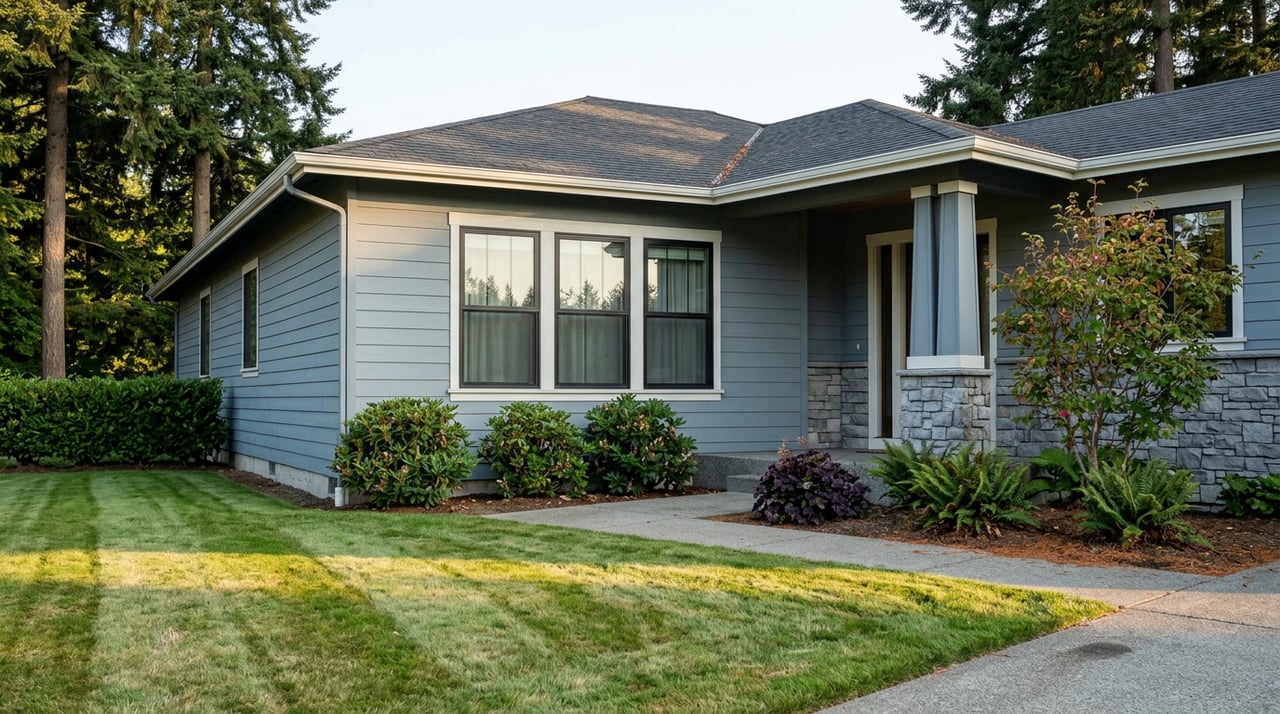
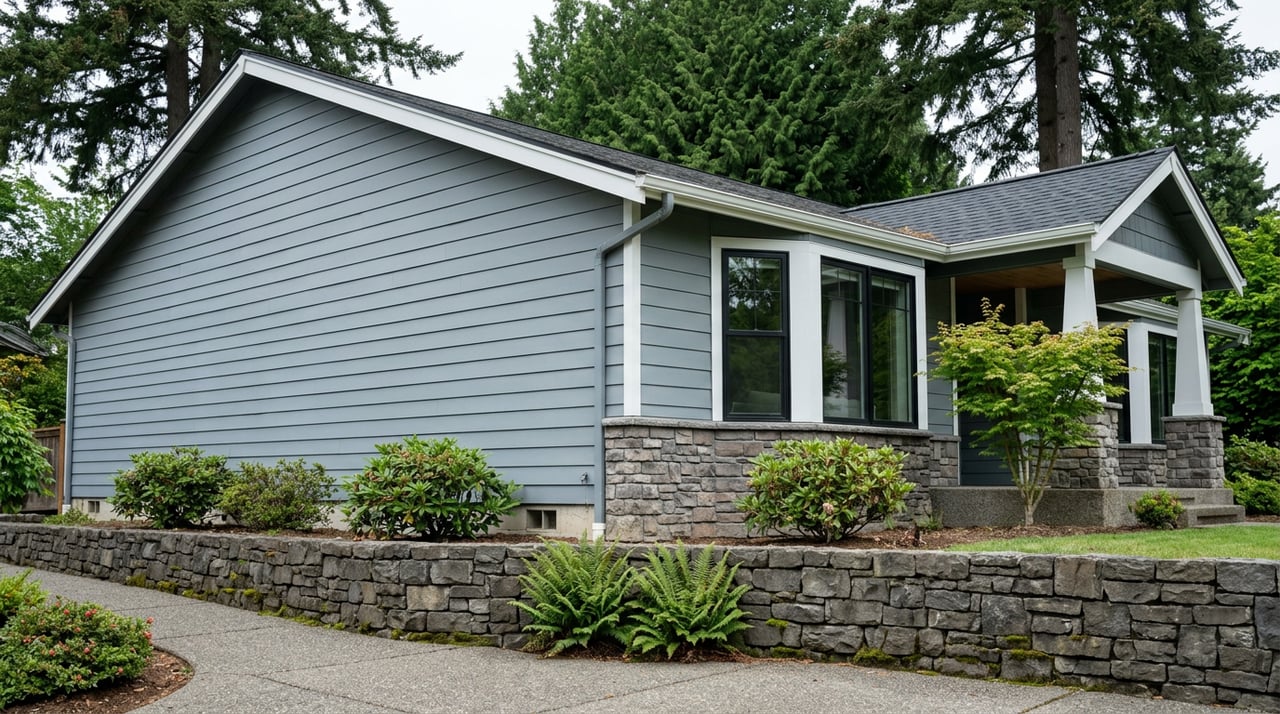
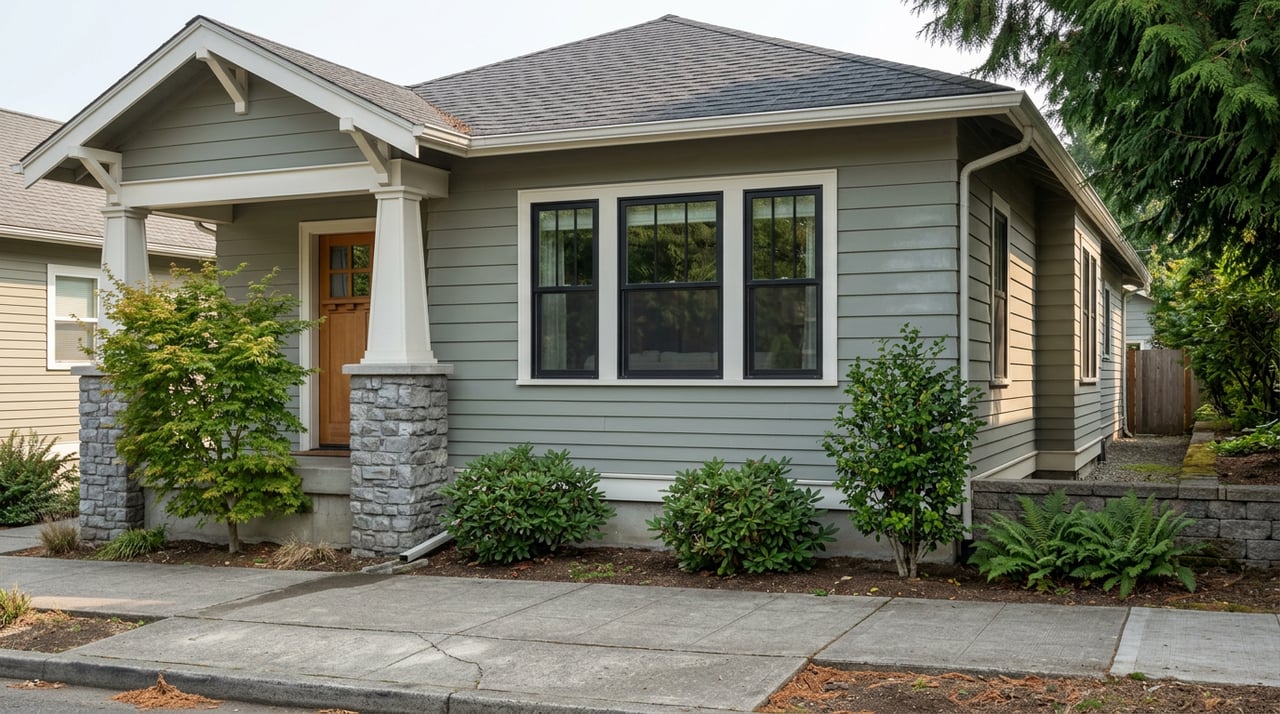
That can be helpful if you want a lake-oriented lifestyle without needing a rare, fully waterfront property. In many cases, living near the lake here means being in a typical neighborhood with easier access to parks, beaches, docks, and lake views.
Lake Stevens is also adding more duplexes, triplexes, fourplexes, townhomes, cottage housing, ADUs, apartments, and condos. The city says this growth is especially focused around the Lake Stevens Center subarea and the 20th St SE corridor.
For buyers, that means the area may offer a wider range of housing options over time, even though the city remains mostly detached single-family today. If your goal is proximity to the lake with a lower-maintenance home style, that broader mix may be worth watching.
One of the biggest practical differences between lake-adjacent and inland living is not always the home style. Often, it is the rules tied to the shoreline.
In Lake Stevens, the Shoreline Master Program applies to properties within 200 feet of the ordinary high-water mark. For many new, expanded, or replaced development projects in that area, shoreline approval is generally required.
If you are looking at a home close to the shore, future plans may need a closer review. Projects like additions, remodels, replacement structures, or dock-related improvements can involve a different level of planning than you would expect on an interior lot.
That does not mean waterfront ownership is a bad fit. It just means you should evaluate these homes with a clear understanding of what may be involved if you want to make changes later.
The city also actively manages the lake itself, which is another part of the real-world experience of living nearby. Lake levels are raised in spring and summer for recreation and lowered in fall to create room for wet-season rainfall.
The city also maintains the lake through stormwater work, aquatic plant control, phosphorus treatments, and resident outreach related to fertilizer, septic systems, and pet waste. For residents, that is a reminder that lake living is not just about views and access. It also comes with long-term stewardship and maintenance.
In practical terms, living near the lake in Lake Stevens often means you are buying into a pattern of life more than a single home feature. You may have easier access to parks, beaches, community events, fishing, and water views, while still living in a mostly suburban setting.
You also may need to think more carefully about shoreline rules if a property sits close to the water. For many buyers, that balance is exactly the appeal: a neighborhood feel with a strong outdoor identity and a lake that is part of everyday life, not just something you drive past.
If you are comparing neighborhoods in Lake Stevens, it helps to look beyond the word “lakefront” and ask better questions. How close are you to public access? How do you want to use the lake? And if the home is near the shoreline, what future property plans matter to you?
When you understand those details, you can make a more confident decision about whether lake living in Lake Stevens fits your goals. If you want help sorting through neighborhoods, waterfront considerations, or nearby homes that match your lifestyle, connect with Dani Robinett.
Stay up to date on the latest real estate trends.
Dani is dedicated to helping you find your dream home and assisting with any selling needs you may have. Contact her today for a free consultation for buying, selling, renting, or investing in Washington.
DANI ROBINETT
ADDRESS 1000 SE EVERETT MALL WAY SUITE 201 EVERETT, WA 98208