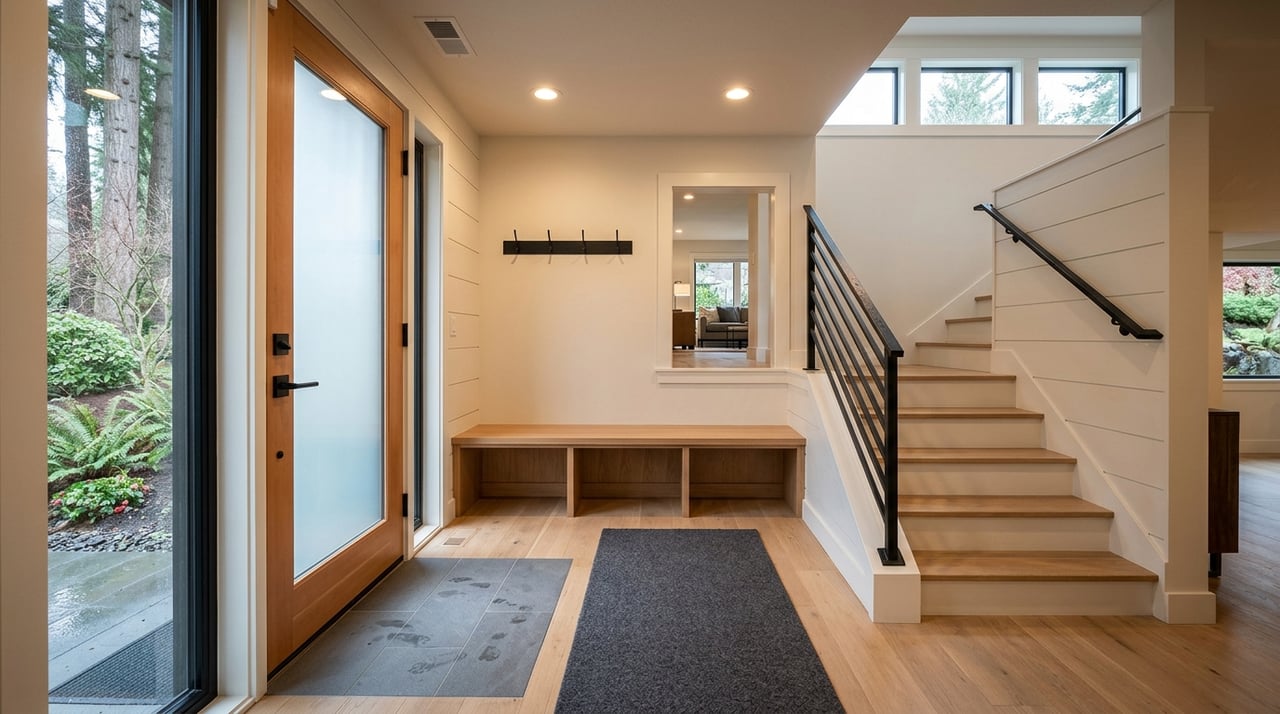
Your Lake Stevens Home Buying Guide From Search to Keys
May 21, 2026
May 21, 2026
Buying a home in Lake Stevens can feel simple on the surface. You find a listing you like, make an offer, and picture life by the lake. But in this market, the smartest buyers know that details like flood potential, utility service, school boundaries, title fees, and escrow timing can shape your experience just as much as price and square footage. This checklist will walk you through the key steps from your search to move-in so you can buy with more clarity and fewer surprises. Let’s dive in.
Before you book tours, it helps to define what matters most for your day-to-day life and long-term budget. In Lake Stevens, that often means looking beyond the house itself and paying close attention to the setting around it.
The city is built around the largest natural lake in Snohomish County, with city materials noting that the lake is more than 1,000 acres and up to 150 feet deep. If you are looking at homes near the water, you may want to ask early about shoreline conditions, drainage, water quality concerns, and lake access.
Lake Stevens is also planning for future growth through its 2024 comprehensive plan update. The city has adopted subarea planning for Lake Stevens Center, the 20th Street SE Corridor, and Downtown, so it is worth understanding how a home’s surroundings may change over time as infrastructure and development evolve.
A strong home search starts with a realistic monthly budget, not just a maximum purchase price. As you run the numbers, include your projected mortgage payment, down payment, closing costs, and insurance.
It is also smart to think about address-specific costs that may change from one property to another. If a home is near the lake, a creek, or another lower-lying area, disaster risk and possible flood-related costs should be part of your planning before you write an offer.
Property taxes should be part of your search-stage math too. Snohomish County updates assessed values annually, typically sends tax statements in February, and first-half taxes are due April 30 while second-half taxes are due October 31. The county’s 2024 property tax sheet lists Lake Stevens’ average typical residence tax at $5,196.32.
A mortgage preapproval letter helps you understand how much a lender is tentatively willing to lend. It can also help you move faster when the right home appears.
Just remember that preapproval is not a final loan commitment, and it does not lock you into that lender. Once you have an accepted offer, you can review official Loan Estimates before choosing the lender you want to use for the purchase.
As your search continues, keep updating your budget. A home that looks affordable at first glance may feel different once you factor in insurance, taxes, closing costs, and property-specific risks.
The right broker does more than open doors. In Lake Stevens, local guidance matters because two homes with similar specs can feel very different depending on lake proximity, road access, boundary lines, and future growth plans nearby.
Washington law also requires agency disclosure before you sign an offer, or as soon as reasonably practical but before mutual agreement. That means you should understand who your broker represents and how that relationship works before the transaction moves too far.
This is where local experience pays off. A knowledgeable buyer’s agent can help you connect the dots between the listing, the location, and the practical details tied to a specific address.
A home can look great online and still raise questions once you zoom in on the block, the lot, and the city services attached to it. In Lake Stevens, location research should be part of your checklist from day one.
Here are a few smart things to verify by address:
For utilities, the city lists Waste Management for garbage and recycling, Snohomish County PUD for electricity and water, and the Lake Stevens Sewer District for sewer service. Confirming service details early can make your move-in smoother and help you avoid assumptions.
If outdoor access matters to you, check nearby amenities too. The Centennial Trail includes 1.3 miles within Lake Stevens and has trailheads at Highway 92, 20th Street NE, and Machias Road.
For school information, keep in mind that boundaries are address-specific. Lake Stevens School District uses a SchoolSite Locator, and current boundary materials show grades 6 through 7 split by elementary attendance area, while all 10th through 12th graders attend Lake Stevens High School.
Hazard research is especially important in Lake Stevens. City guidance flags severe storms, winter weather, floods, and landslides, and it notes that some areas have high flood potential because streams and creeks can overflow.
That does not mean every home carries the same level of risk. It does mean you should check mapped flood risk for the exact property before your offer is final, especially if the home is near the lake or in a lower-lying area.
The official place to check mapped flood risk is FEMA’s Flood Map Service Center. Even if a home is outside a high-risk zone, it is still worth understanding the property’s setting and asking informed questions during your due diligence period.
Many buyers wait until they are under contract to think about title and escrow. A better approach is to understand these services earlier so you are not making rushed decisions while juggling inspections, lender requests, and move plans.
In Washington, title insurance protects the buyer and lender from ownership disputes. The title company searches public records such as liens, claims, deeds, tax records, and maps, and the policy is usually included in closing costs.
Washington guidance also notes that buyers may use one company for title and another for escrow. Title and escrow fees can be compared, and escrow fees are not state-regulated, so shopping around may help you better understand your options and costs.
Once you find the right home, your offer should reflect both your goals and your risk tolerance. When possible, it is wise to make the purchase offer contingent on financing and a satisfactory inspection.
These contingencies can protect you if the loan falls through or if the inspection uncovers serious issues. They can also create room for repair negotiations or give you a path to step back if the home is not the right fit after deeper review.
In Washington, seller disclosure timing matters too. For improved residential property, the seller must deliver a completed disclosure statement no later than five business days after mutual acceptance unless the parties agree otherwise, and you generally have three business days after delivery to rescind unless that right is waived.
Once you are under contract, move quickly on your inspection timeline. The home inspection is separate from the appraisal and is for your protection as the buyer.
An inspection can uncover issues with the home’s condition and may support repair requests, price discussions, or cancellation if your contract includes an inspection contingency. Depending on the property, you may also need more specialized review from qualified experts such as roofers, electricians, or septic and wastewater specialists.
Read the seller disclosure carefully as soon as you receive it. This is one of the most important moments in the transaction, because the timing for review and possible rescission is set by Washington law.
If you are financing the purchase, your lender will usually require an appraisal. The appraisal is not the same thing as an inspection, and it serves a different purpose.
The lender uses the appraisal to help determine the property’s value for the loan. You are entitled to a copy of the appraisal, and it should arrive no later than three days before closing.
If the appraisal comes in low, you may need to renegotiate the price or review the report closely with your real estate and lending team. This step is one more reason to stay organized and responsive once you are under contract.
Closing tends to move quickly once the final numbers come together. You should receive your Closing Disclosure three business days before closing, which gives you time to compare it with your latest Loan Estimate and make sure you understand the terms and costs.
Do not sign until the numbers make sense to you. If anything changed unexpectedly, ask questions right away so there is time to resolve it before your signing appointment.
For closing day, buyers are typically advised to bring:
Be especially careful with wire instructions. Last-minute changes can be a scam attempt, so verify any payment details through a trusted contact before sending funds.
Getting the keys is a big milestone, but a few practical items still need attention right away. Utility setup is one of the first things to confirm so your move-in goes smoothly.
In Lake Stevens, the city lists Waste Management, Snohomish County PUD, and the Lake Stevens Sewer District as the local service providers. Confirm start dates, transfer details, and any account setup requirements before moving day if possible.
This is also a good time to double-check your tax calendar, save your closing documents in one place, and make a short list of any early maintenance tasks for the property. A little organization now can make the first few weeks in your new home feel much easier.
Buying in Lake Stevens is not just about finding the right floor plan. It is about understanding how the property, location, and process all fit together. With the right checklist and local guidance, you can move from search to keys with more confidence and fewer surprises.
If you are planning a move in Lake Stevens or anywhere in Snohomish County, Dani Robinett can help you navigate each step with practical advice, local insight, and clear communication.
Stay up to date on the latest real estate trends.


Dani is dedicated to helping you find your dream home and assisting with any selling needs you may have. Contact her today for a free consultation for buying, selling, renting, or investing in Washington.
DANI ROBINETT
ADDRESS 1000 SE EVERETT MALL WAY SUITE 201 EVERETT, WA 98208